
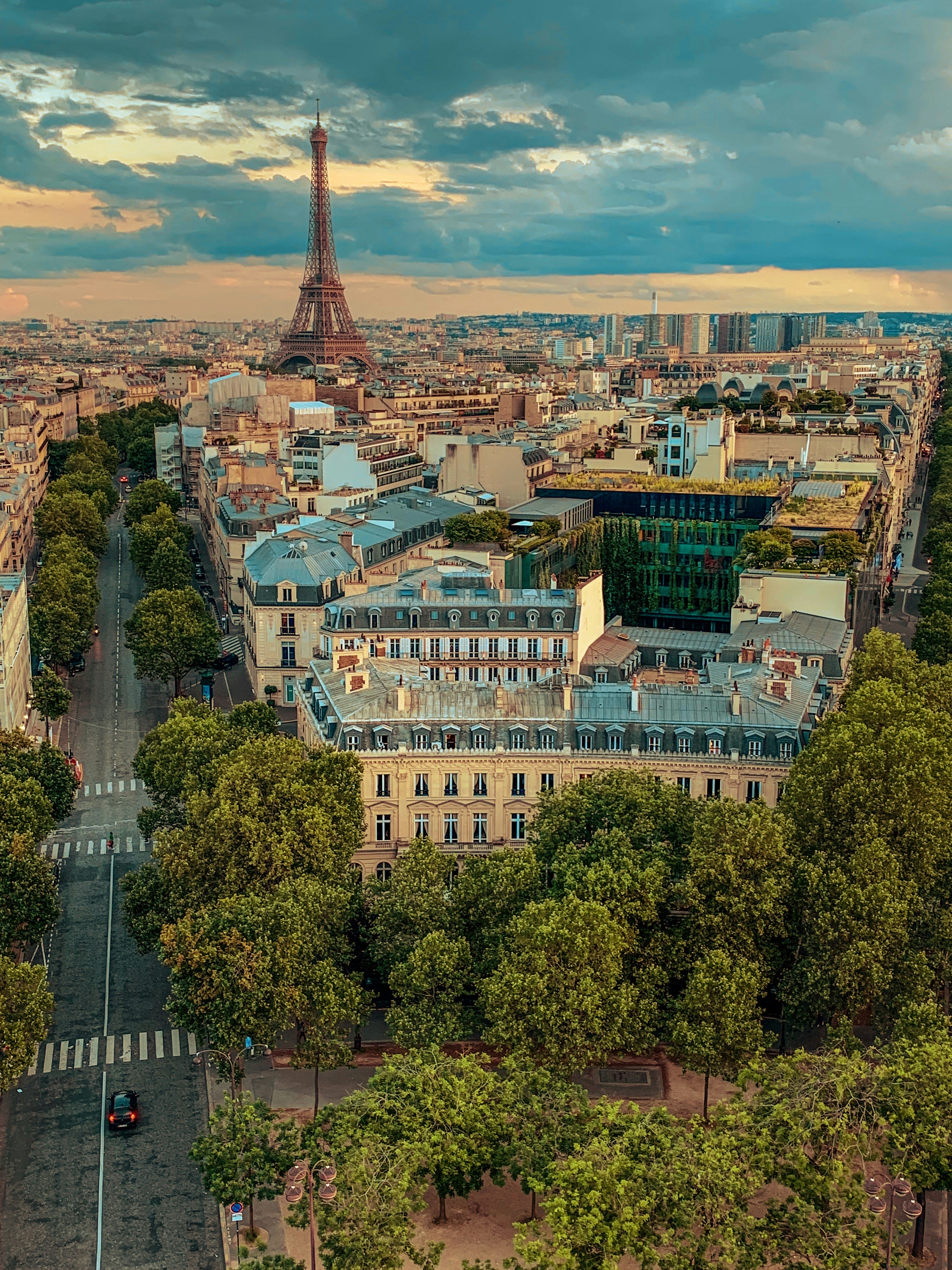
Introduction to Paris: The City of Lights
Paris, the capital city of France, is renowned as the City of Lights, a title that encapsulates its historical, cultural, and artistic significance in a global context. This illustrious city has long been a beacon of enlightenment and a hub of creativity, drawing millions of visitors each year to its streets, museums, and cafes. Established in the 3rd century BC, Paris has evolved over the centuries from a modest Gallic settlement to a dominant center of education, art, fashion, and gastronomy.
The nickname “City of Lights” originates from the Age of Enlightenment, a period in the 18th century when Paris became a center for intellectual thought and progressive ideas. It is also attributed to the city’s role as one of the first to install street lighting, which illuminated its boulevards, making it a vibrant place for gatherings and social interaction. The warm glow of these lights accentuates the remarkable architecture, from the iconic Eiffel Tower to the historic Notre-Dame Cathedral, creating an enchanting atmosphere that captivates visitors.
Throughout the years, Paris has developed a rich tapestry of culture that has influenced the world. Renowned for its art schools and movements, such as Impressionism, Paris has nurtured talents like Monet, Picasso, and Van Gogh. Moreover, its status as a global fashion capital is underscored by its prestigious fashion houses, including Chanel, Dior, and Louis Vuitton, that signal style and elegance worldwide. The city’s culinary scene is equally influential, characterized by its exquisite pastries, fine dining, and charming bistros that offer a taste of authentic French cuisine.
In essence, Paris is not just a city; it is an experience steeped in history and culture. Visitors find themselves entranced by both the grandeur and the intimacy of its settings, making each trip a unique journey within the diverse facets of the City of Lights.
Planning Your Trip: Best Times to Visit and How Long to Stay
When planning your journey to Paris, it is essential to consider not only the duration of your stay but also the optimal times to experience the city’s charm fully. Paris boasts a variety of seasons, each offering its distinct atmosphere and events that can greatly enhance your visit.
The months of April to June, as well as September to October, are often regarded as the best times to visit Paris. During spring, the city comes alive with blooming flowers and milder weather, creating a picturesque backdrop for sightseeing. Early autumn, particularly September, offers pleasant temperatures and the chance to explore the cultural events like the European Heritage Days and local wine festivals. Conversely, the summer months can be crowded, as many tourists flock to the city. However, this is when Paris holds numerous outdoor events and festivals, making it a vibrant time for those willing to navigate the crowds.
Winter, from December to February, presents a different side of Paris. Although it can be cold, the holiday decorations and markets lend a magical ambiance. This off-season is often less crowded and can provide better accommodation rates. It is a particularly great time for first-time visitors looking to enjoy Paris at a more leisurely pace.
As for the duration of your trip, a stay of four to five days is usually ideal for first-time visitors. This allows ample time to explore the major attractions such as the Eiffel Tower, Louvre Museum, and Notre-Dame Cathedral while also enjoying leisurely strolls through the Montmartre district or along the Seine. If time permits, extending your stay to a week can offer the chance to delve deeper into Paris’s neighborhoods and culture, allowing visitors to discover hidden gems beyond the typical tourist routes.
Must-See Attractions: Iconic Landmarks and Hidden Gems
Paris, a city renowned for its rich history and culture, offers a myriad of attractions that captivate first-time visitors. Among the foremost landmarks is the Eiffel Tower. This iconic structure not only showcases stunning architectural prowess but also provides one of the best panoramic views of the city from its observation decks. For those wishing to experience the charm of Paris, a leisurely climb up the tower is advisable.
Another must-visit destination is the Louvre Museum, home to some of the world’s most famous artworks, including the enigmatic Mona Lisa. The museum’s vast collection spans millennia, appealing to art enthusiasts and casual visitors alike. It’s wise to allocate ample time to explore its halls, possibly focusing on a few select sections to enrich the experience without feeling overwhelmed.
No visit to Paris would be complete without a stop at the Notre-Dame Cathedral, a stunning example of French Gothic architecture. Despite the tragic fire in 2019, the cathedral remains a symbol of resilience and continues to draw visitors who appreciate its intricate facades and stained glass windows. A stroll along the Seine River nearby enhances the overall experience, offering picturesque views of the landmark.
Beyond these well-trodden tourist paths, Paris is laden with hidden gems. For example, the picturesque streets of Le Marais are filled with boutiques, cafés, and historical sites, encouraging exploration of local life. Meanwhile, the Parc des Buttes-Chaumont, with its rolling hills and scenic lake, provides a peaceful escape from the bustling city atmosphere. These less-frequented spots allow visitors to immerse themselves in authentic Parisian culture, making for an enriching travel experience.
Transportation Options in Paris
Navigating through Paris, a city renowned for its rich history and vibrant culture, can be an enjoyable experience when armed with knowledge of the various transportation options available. The vast array of public transit methods provides first-time visitors with ample opportunities to explore the city with ease.
The Paris Métro is one of the most efficient ways to travel within the city. Known for its extensive network, the Métro comprises 16 lines and over 300 stations, connecting a multitude of neighborhoods and attractions. Tickets can be purchased at automated machines or ticket counters at designated stations. For tourists planning to use the Métro frequently, consider buying a Paris Visite pass, which grants unlimited travel on public transport for a set number of days.
Buses are another excellent way to experience Paris while traveling above ground. The bus network complements the Métro, allowing visitors to enjoy the picturesque streets and monuments as they move between destinations. Buses are generally less crowded than the Métro and can provide a relaxing journey, especially during less busy hours. Tickets for the bus must be purchased before boarding, either at a Métro station or from automated vending machines located at bus stops.
For the more adventurous, bicycling offers an excellent way to explore Paris at a leisurely pace. The city has embraced cycling as a viable means of transportation, with numerous bike-sharing programs available, such as Vélib’. These bikes can be rented at various docking stations located throughout the city, promoting both convenience and sustainability.
Lastly, Paris is also a highly walkable city, with many iconic sites located within a short distance from each other. Walking not only allows visitors to soak in the ambiance of the surroundings but also can lead to unexpected discoveries along the charming streets. In summary, whether by utilizing the Métro, bus services, bicycles, or simply walking, first-time visitors can navigate Paris efficiently and enjoyably.
Where to Stay: Neighborhoods and Accommodations
When planning a trip to Paris, selecting the right neighborhood is crucial for first-time visitors. Each area has its own distinct vibe and attractions, making the choice a vital part of your travel experience. The Marais is one of the most popular districts for tourists due to its historic charm, vibrant nightlife, and proximity to significant landmarks such as the Place des Vosges and the Picasso Museum. This area offers a mix of boutique hotels and self-catering apartments ideal for those who wish to immerse themselves in local culture.
Another notable neighborhood is Saint-Germain-des-Prés, known for its charming cafés and art galleries. Home to the iconic Café de Flore and the beautiful Luxembourg Gardens, this area appeals particularly to those seeking a more artistic atmosphere. While accommodation here can be pricier, visitors can find several mid-range hotels alongside luxury options, ensuring a range of choices for different budgets.
The Latin Quarter, famous for its intellectual heritage, is also a favorite among travelers. It features the prestigious Sorbonne University and is teeming with bookstores, restaurants, and lively squares. Budget-friendly hostels and vacation rentals are readily available, making it an ideal spot for young travelers and students.
For those interested in the modern side of Paris, La Défense offers a striking contrast to the historical heart of the city. This business district is home to luxury hotels and is just a short metro ride away from popular attractions like the Arc de Triomphe and the Champs-Élysées.
When choosing accommodations, it is important to consider proximity to public transport as well as personal preferences regarding ambiance and budget. Numerous options are available, ranging from five-star hotels to cozy hostels. Evaluating online reviews and booking platforms will aid in making an informed decision that best fits your travel itinerary.
Culinary Delights: Food and Drink in Paris
Paris is renowned for its culinary heritage, which ranges from traditional French cuisine to avant-garde gastronomic innovations. For first-time visitors, navigating the diverse food landscape may seem daunting. However, sampling rich flavors and textures becomes an enjoyable adventure with the right guidance.
The iconic bistro scene in Paris offers an authentic taste of local life. Bouillon Pigalle is famous for traditional dishes such as beef bourguignon and escargots. This establishment boasts a vibrant atmosphere while serving classic fare at reasonable prices, making it a favorite spot for both tourists and locals alike. Beyond bistros, discovering a quaint crêperie is essential for indulging in this quintessential French dish, often enjoyed at street-side cafés.
Moreover, visitors should not miss out on sampling local pastries at renowned establishments like Pâtisserie Pierre Hermé or Ladurée, famous for their macarons. These bakeries showcase the artistry of French patisserie, offering an array of treats that are nothing short of exceptionally beautiful and delightful to taste.
Dining etiquette in Paris is pivotal for a pleasurable experience. It is customary to greet staff upon entering a restaurant with a polite “bonjour” and to say “merci” when leaving. Tipping is appreciated but not mandatory, as service is generally included in the bill. When dining, it is common practice to wait for everyone in your party to receive their meal before beginning to eat, reflecting the importance of socializing during meals in French culture.
In addition to traditional foods, Paris boasts exciting modern eateries that focus on sustainable and local ingredients. Le Comptoir de la Gastronomie encourages a gourmet experience with contemporary twists on classic dishes. Exploring food markets, like Marché Bastille, also offers insights into local ingredients and artisanal products.
Cultural Etiquette: Dos and Don’ts in Paris
When visiting Paris, understanding the local customs and etiquette can significantly enhance your travel experience. The French take great pride in their culture, and adhering to certain social norms is crucial for fostering positive interactions. One of the primary dos is to always greet people with a polite “Bonjour” (Good day) upon entering shops or restaurants. This simple act demonstrates respect and often leads to a more cordial interaction with locals.
Dining behavior is another essential aspect of cultural etiquette in Paris. During meals, it is customary to keep your hands on the table, but not your elbows. Additionally, when dining in a restaurant, remember to wait for the host to seat you rather than choosing your own table. Ordering in a language you’re most comfortable with is acceptable, though making an effort to use basic French phrases can be appreciated. Also, avoid asking for alterations to menu items, as this may be viewed unfavorably.
Dress codes in Paris lean towards the stylish and sophisticated. It is advisable to dress more formally than you might in casual settings elsewhere. Women often opt for dresses or tailored trousers paired with chic accessories, while men typically favor smart casual attire. Wearing comfortable yet stylish shoes is recommended due to the city’s extensive walking opportunities.
In social settings, always remember to use the formal “vous” when addressing strangers, reserving the informal “tu” for friends and those you know well. Giving compliments is common, yet be cautious to avoid over-praising, as it may seem insincere. By observing these dos and don’ts, first-time visitors can navigate the cultural landscape of Paris with confidence, ultimately enriching their experience in this vibrant city.
Day Trips from Paris: Exploring Beyond the City
While Paris is undoubtedly a captivating city with its world-renowned attractions, the surrounding regions offer equally alluring experiences for travelers. Day trips from Paris can lead visitors to historical sites, beautiful gardens, and stunning landscapes, enriching their overall journey through France.
One of the most popular destinations for a day trip from Paris is the Palace of Versailles. Just a short train ride away, the grandeur of Versailles awaits, showcasing opulent architecture, exquisite gardens, and the historic Hall of Mirrors. Visitors can spend an entire day exploring the palace’s luxurious interiors and strolling through the meticulously maintained grounds, making it a must-visit location for those intrigued by French history and grandeur.
Another enchanting location is Giverny, famously known as the home of the artist Claude Monet. Travelers can immerse themselves in the beauty of Monet’s gardens, which inspired many of his paintings. The picturesque setting, complete with vibrant flowers and the iconic water lily pond, offers a serene escape from the hustle and bustle of Paris. Giverny is easily accessible via train, making it a convenient choice for a leisurely day trip.
For those seeking a more intense historical experience, a trip to Normandy is highly recommended. Located to the northwest of Paris, Normandy boasts significant sites such as the D-Day landing beaches and the remarkable Mont-Saint-Michel, a UNESCO World Heritage site. Visitors can learn about the impactful history of World War II or simply admire the breathtaking coastal scenery. Tours are available that allow for convenience in transportation and information about the region.
In conclusion, exploring beyond Paris through day trips offers a unique opportunity to experience the diverse attractions and landscapes of France. Whether it’s the regal allure of Versailles, the artistic charm of Giverny, or the historical significance of Normandy, these excursions enrich the travel experience, allowing visitors to create lasting memories during their time in France.
Final Tips and Recommendations for First-Time Visitors
Embarking on your first journey to Paris is an exhilarating adventure that requires a bit of preparation. To ensure a seamless and memorable experience, consider the following tips and recommendations tailored for first-time visitors to the City of Lights.
First and foremost, safety should always be a priority. Like any major city, Paris has its share of petty crime. Remain vigilant in crowded areas, especially near popular tourist attractions such as the Eiffel Tower and the Louvre. Keep your belongings secure and consider using anti-theft bags to protect your valuables while navigating the city.
Language is another critical aspect of your Parisian experience. While many Parisians speak English, making an effort to learn basic French phrases can significantly enhance your interactions. Simple greetings such as “Bonjour” (Hello) and “Merci” (Thank you) go a long way in fostering goodwill. Additionally, familiarize yourself with essential phrases like “Où est…?” (Where is…?) to navigate effectively.
As you plan your itinerary, be sure to pack appropriately for the weather and the types of activities you intend to enjoy. Comfortable walking shoes are a must, as Paris is best explored on foot. If you plan to dine at upscale restaurants or attend the opera, consider packing a few elegant outfits to enhance your experience.
Finally, embrace an open-minded and adventurous mindset during your time in Paris. Allow yourself to wander through the charming streets of Montmartre, take in the artistic vibes of the Marais district, and savor local cuisine beyond the well-trodden tourist paths. A spirit of curiosity will invite unexpected discoveries and enrich your visit.